
The Golden Hour Tracker
Itineraries structured around optimal lighting conditions
Light is the Foundation
Every location looks different throughout the day. The same building, street, or landscape transforms as light changes. We structure our itineraries to ensure you experience each destination during its most visually compelling moments.
Morning Light
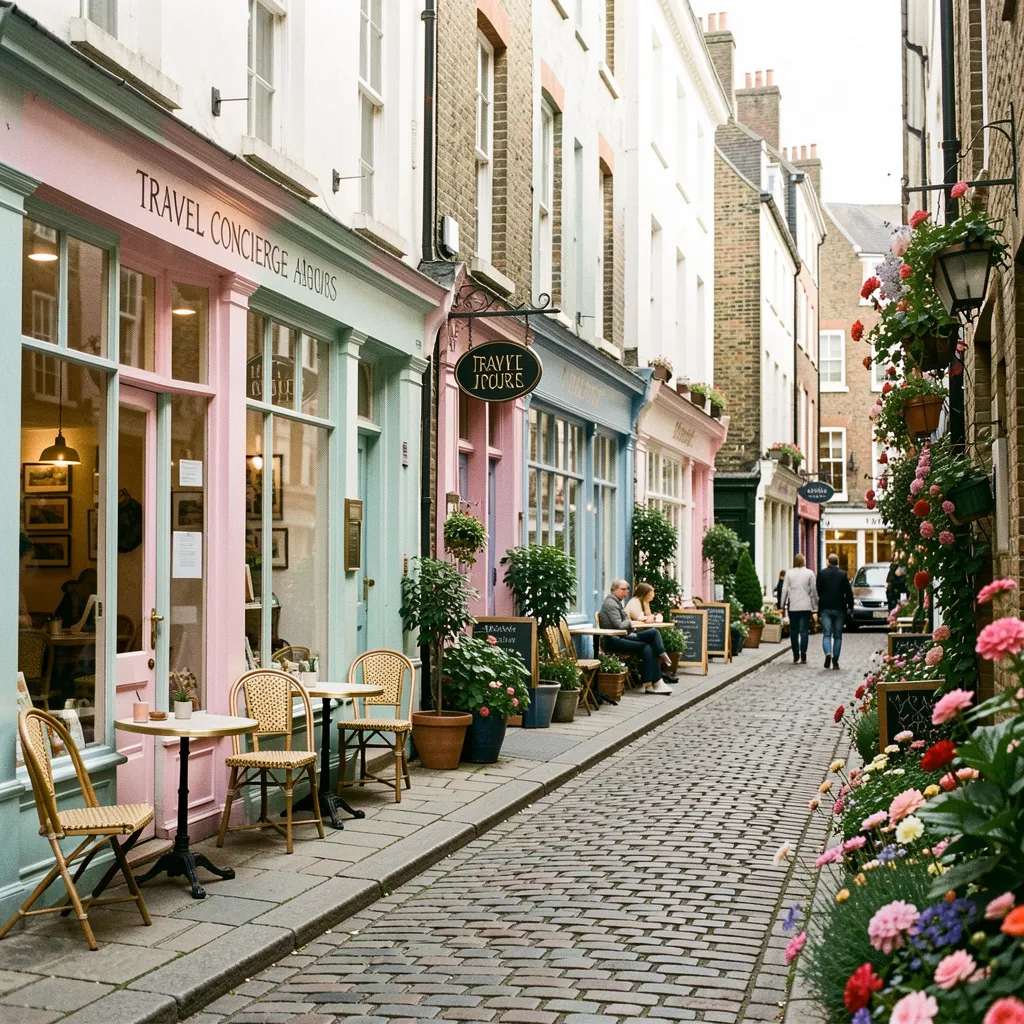
Early morning offers soft, directional light with long shadows. This phase is ideal for architectural photography, as it reveals texture and form. Colors appear more saturated, and the atmosphere is often clearer.
Midday Considerations
Harsh overhead light can create challenging conditions. We schedule indoor activities, meals, or rest periods during midday hours. Some architectural styles, however, benefit from strong directional light.
Golden Hour
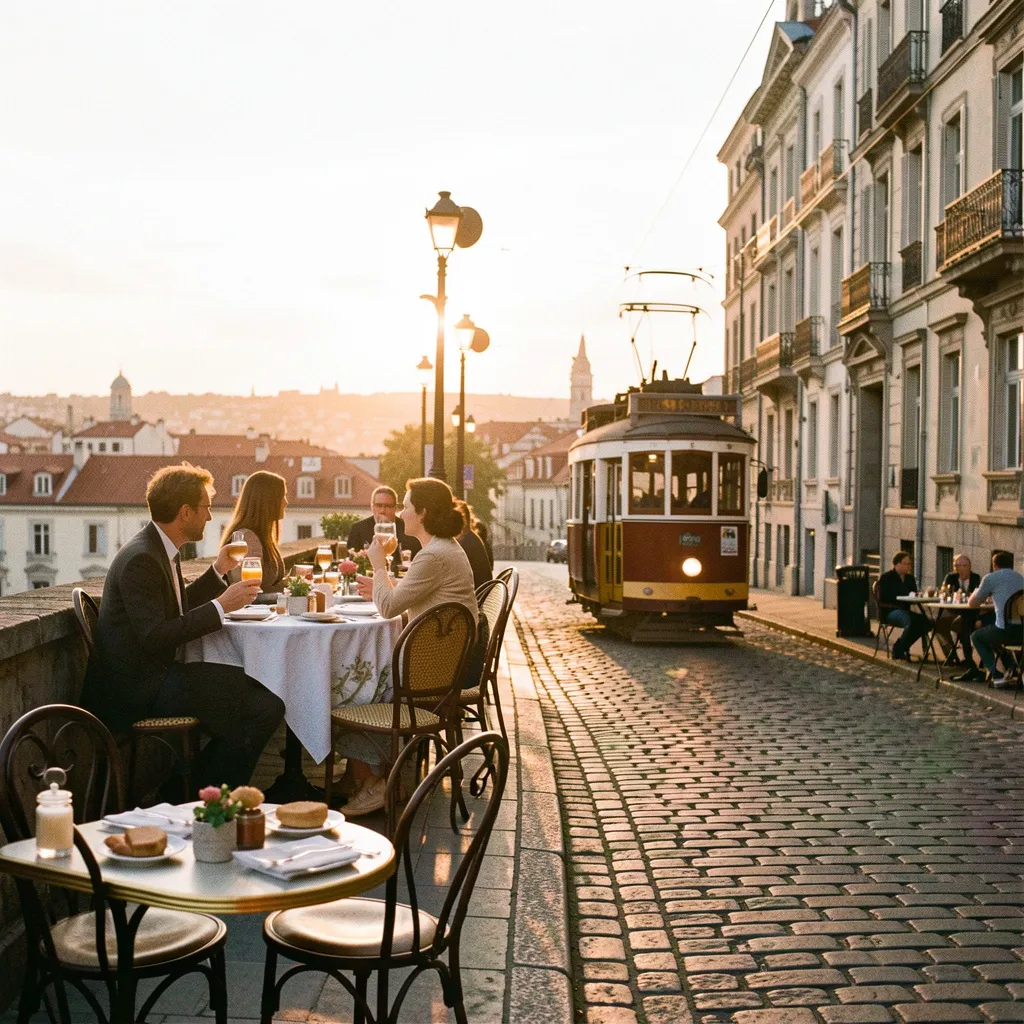
The hour before sunset provides warm, diffused light with beautiful color temperature. This is often the most photogenic time for most subjects. We prioritize key locations during this window.
A Typical Day
How we organize time around light
6:00 - 9:00 AM
Morning Session: Visit primary locations during optimal morning light. This window offers soft, directional illumination perfect for architectural and landscape photography.
9:00 AM - 3:00 PM
Midday Period: Indoor activities, museum visits, meals, or rest. We avoid outdoor photography during harsh overhead light unless specific conditions are favorable.
3:00 - 7:00 PM
Afternoon to Golden Hour: Return to key locations as light improves. The golden hour window (typically 1 hour before sunset) is reserved for the most visually significant spots.
7:00 - 9:00 PM
Blue Hour: The period after sunset offers unique opportunities for cityscapes and architectural photography with artificial lighting complementing natural twilight.
Adapting to Conditions
Overcast Days
Cloud cover provides diffused, even lighting that can be ideal for certain architectural styles. We adjust schedules to take advantage of these conditions, which eliminate harsh shadows and reduce contrast.
Clear Skies
Bright, sunny conditions require careful timing. We focus on early morning and late afternoon sessions, avoiding midday when possible. Some subjects benefit from strong directional light.
Rain & Weather
Wet conditions can enhance certain aesthetics, creating reflections and saturated colors. We have backup plans for indoor activities and know which locations work well in various weather conditions.
Location-Specific Considerations
East-Facing Structures
Buildings oriented toward the east receive optimal light in morning hours. We schedule these locations early in the day to capture them with front-lit facades.
West-Facing Structures
Western orientations are best photographed in afternoon and evening light. We plan these visits to coincide with golden hour for warm, directional illumination.
Interior Spaces
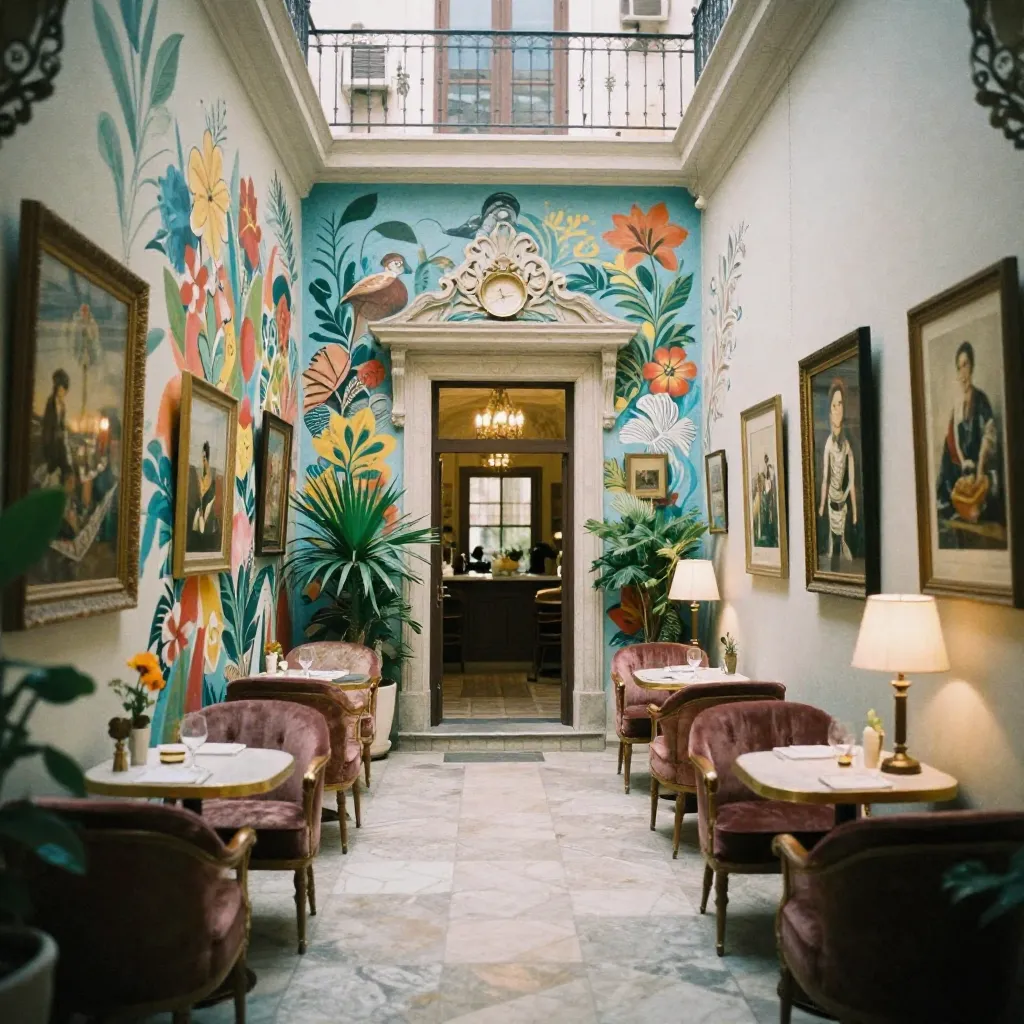
Indoor locations with natural light benefit from specific times when sunlight enters through windows or skylights. We research these patterns for each destination.

Planning Tools
How we calculate optimal timing
Sun Position Calculators
We use tools that predict sun position, altitude, and azimuth for specific dates and locations. This allows precise planning of visit times.
Weather Monitoring
We track weather forecasts and adjust schedules accordingly. Understanding cloud cover, precipitation, and atmospheric conditions informs our daily planning.
Local Knowledge
Research into local conditions, seasonal variations, and historical weather patterns helps us create realistic expectations and backup plans.